

Alpacas have captured the hearts of animal lovers around the world with their gentle nature, soft wool, and adorable appearance. Often confused with llamas, alpacas are a distinct species that have their own unique traits and are valued for their wool, which is both luxurious and sustainable. In this article, we’ll explore the fascinating world of alpacas, their characteristics, differences from llamas, and how these animals contribute to agriculture and fiber production.
What is an Alpaca?
An alpaca is a domesticated South American animal related to the llama, with origins in the Andes Mountains of Peru, Bolivia, and Chile. Alpacas were bred by the Incan civilization primarily for their wool, which is highly prized for its softness and warmth. Unlike llamas, alpacas are smaller in size and are known for their calm and social temperament.
Alpacas are part of the camelid family, which also includes llamas, guanacos, and vicuñas. Despite their resemblance to llamas, alpacas are much smaller and are generally not used as pack animals.
Physical Characteristics of Alpacas
-
Size and Weight: Adult alpacas typically stand around 3 feet tall at the shoulder and weigh between 100 to 200 pounds.
-
Fur: Alpacas have a dense fleece that comes in a variety of natural colors, ranging from white and beige to brown, black, and gray. Their wool is soft, hypoallergenic, and highly coveted in the textile industry.
-
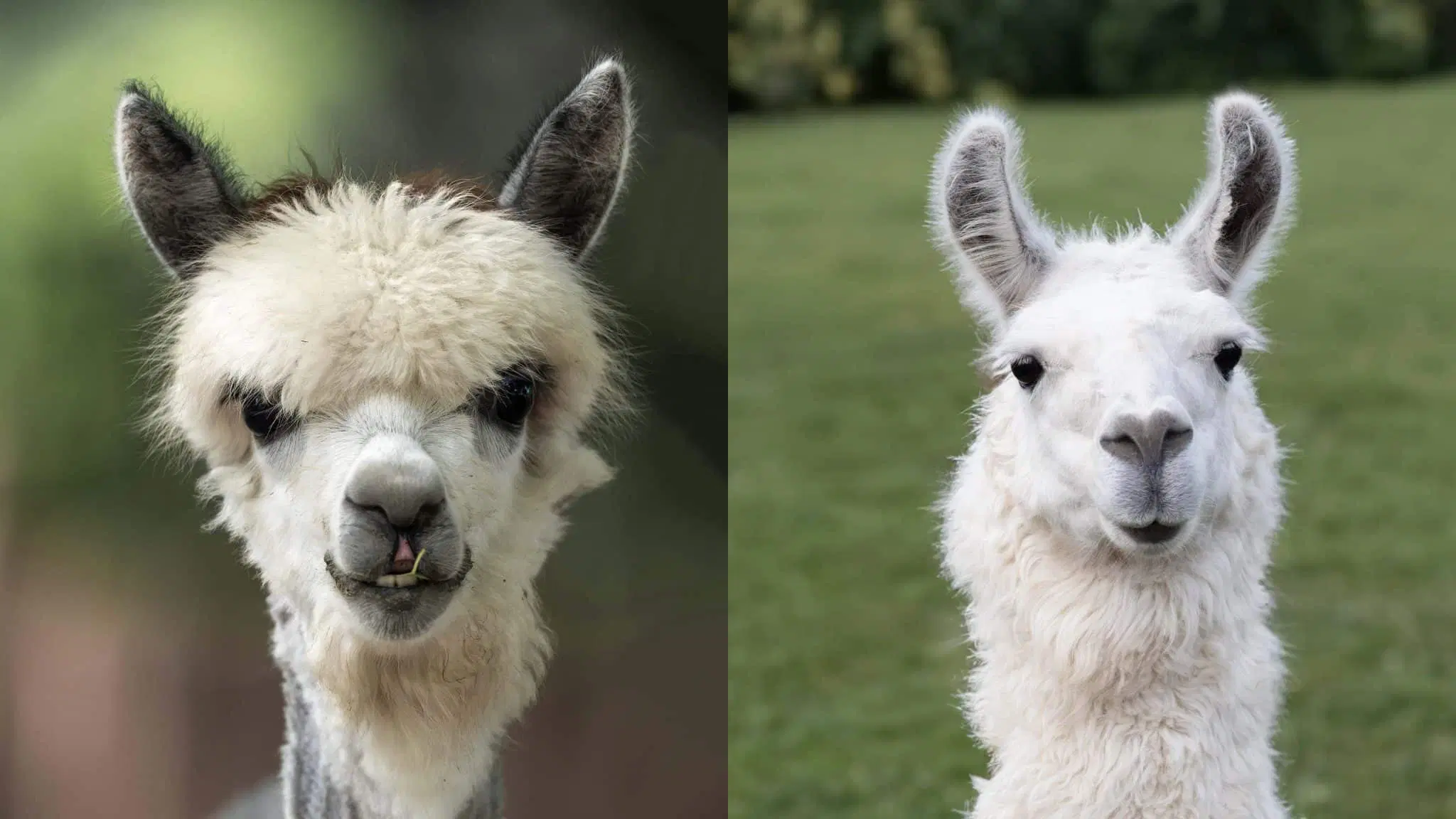
Head and Ears: Alpacas have small, pointed ears and a relatively short face. Their long necks and soft, expressive eyes add to their charming appearance.
Differences Between Alpacas and Llamas
While alpacas and llamas belong to the same family, they are different species with distinct traits:
-
Size: Llamas are generally larger than alpacas. Llamas can weigh up to 400 pounds, while alpacas typically weigh between 100 and 200 pounds.
-
Purpose: Llamas are commonly used as pack animals, whereas alpacas are primarily bred for their wool.
-
Fleece: Alpacas have a much finer and softer fleece compared to llamas, whose wool is coarser and often used for heavier textiles.
-
Temperament: Alpacas tend to be more docile and gentle, while llamas can be more independent and even territorial.
-
Face and Ears: Alpacas have smaller, more rounded faces with shorter noses, while llamas have longer faces and more pronounced snouts. Alpacas also have smaller, more upright ears compared to llamas’ larger, banana-shaped ears.
The Importance of Alpacas in the Textile Industry
One of the key reasons for the domestication of alpacas was their luxurious wool. The alpaca wool is often compared to cashmere in terms of softness and quality. It’s known for being:
-
Warm and Lightweight: Despite being lightweight, alpaca wool provides excellent insulation, making it perfect for sweaters, scarves, and blankets.
-
Hypoallergenic: Alpaca fiber doesn’t contain lanolin, which is the substance that causes allergic reactions in some people with wool products.
-
Durable and Long-Lasting: Alpaca wool is highly durable and resistant to pilling, making it ideal for long-lasting clothing and textiles.
Because of these unique qualities, alpaca wool is highly sought after in the fashion industry, and many textile producers choose to work with alpaca fibers for their premium products.
Caring for Alpacas
Caring for alpacas is relatively straightforward, but it does require attention to their specific needs:
-
Diet: Alpacas are herbivores and graze on grass or hay. They may also enjoy some vegetables, such as carrots, as a treat.
-
Shelter: Alpacas need protection from extreme weather conditions. A basic barn or shed is ideal to keep them sheltered from rain or harsh winds.
-
Grooming: Regular grooming is necessary to keep their wool in good condition. Alpacas need to be sheared once a year, typically in the spring, to prevent their wool from becoming too heavy.
-
Health: Alpacas are generally healthy animals, but like any livestock, they need regular veterinary check-ups and vaccinations.
The Social Nature of Alpacas
Alpacas are social animals and thrive in groups. They are known for forming strong bonds with other alpacas and prefer the company of their herd. It’s recommended to keep at least two alpacas together, as they may become lonely if left alone for extended periods.
In addition to their herd behavior, alpacas are often friendly towards humans. They can be trained to follow simple commands and are often used in petting zoos or as part of animal therapy programs due to their gentle nature.
Why People Love Alpacas
People are drawn to alpacas for a variety of reasons:
-
Adorable Appearance: Their fluffy coats, big eyes, and expressive faces make them irresistibly cute.
-
Gentle Personality: Alpacas are calm and curious animals, which makes them excellent companions for farm animals or human interaction.
-
Sustainable Farming: Many alpaca farms practice sustainable farming methods, which appeal to eco-conscious consumers looking for ethical wool production.
Alpacas are not only beneficial to the environment through sustainable farming practices but are also friendly and engaging animals that provide joy to those who care for them.
Go Fish Rules: A Fun Break from Alpaca Facts
After reading about alpacas, why not enjoy a fun and simple game of Go Fish? Here’s how to play:
-
Deal the Cards: Deal 5–7 cards to each player. Place the remaining deck face down.
-
Ask for Cards: On your turn, ask another player for a specific rank (e.g., “Do you have any 7s?”).
-
Go Fish: If the player has the card, they give it to you. If not, they say “Go Fish,” and you draw a card from the deck.
-
Make Books: The goal is to collect books—four cards of the same rank (e.g., four 7s).
-
End the Game: The game ends when one player collects all their books. The player with the most books wins.
It’s a great game to relax with after learning all about alpacas!
Alpacas are fascinating creatures, known for their soft wool, gentle nature, and strong social bonds. Whether you’re looking to raise them on a farm or simply learn more about these wonderful animals, alpacas have a lot to offer. And when you’re done reading, you can always enjoy a fun game of Go Fish in Cardanoir.com with family or friends.